Native American Culture
Referenced in Wandering Lizard
Historic echos of Native American cultures can be found throughout the West. Native American communities, historic sites, museums, public buildings, and private collections contain many artifacts from the days not too long ago when these cultures flourished. Below are links to some of the special places where a few of these haunting memories still linger..
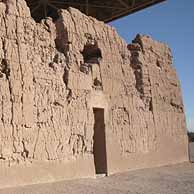
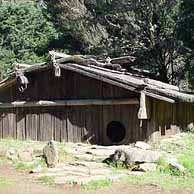
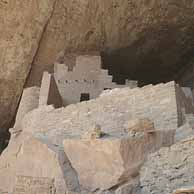
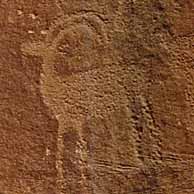
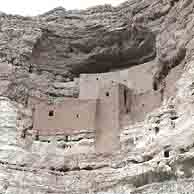
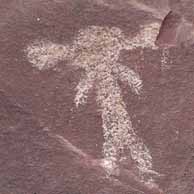
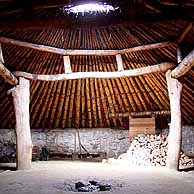
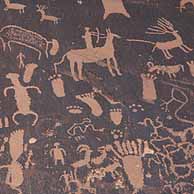
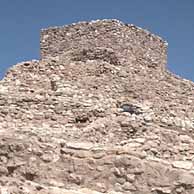
Alaskan State Museum, AK
Anasazi Heritage Center, CO
Anasazi State Park Museum, UT
Atsinna Pueblo Ruins, NM
Aztec National Monument, NM
Bandelier National Monument, NM
Besh-ba-Gowah Archeological Park, AZ
Betatakin Ruins, AZ
Big Painted Cave, CA
Calf Creek, UT
Capitol Reef National Park, Petroglyphs, UT
Canyon de Chelly National Monument, AZ
Canyonlands National Park, Ruin, UT
Captain Jack's Stronghold, CA
Casa Grande, AZ
Casa Riconada Great Kiva, NM
Chaco Culture National Historical Park, NM
Chetro Ketl Ruins, NM
Chiricahua National Monument, AZ
Cochise Stronghold, AZ
Edge of the Cedars State Park, UT
Fort Apache, AZ
Fort Bowie, AZ
Fort Stevens, OR
Fremont Indian State Park, UT
Tusayan Pueblo Ruins, AZ
Gila Cliff Dwellings National Mon, NM
Grimes Point, NV
Grinding Rock State Historical Park, CA
Hickison Petroglyphs, NV
High Desert Museum, OR
Honanki Ruins Heritage Site, AZ
Hongo Pavi Ruins, NM
Horsecollar Ruin, UT
Hospital Rock, CA
Hovenweep National Monument, UT
Inscription Rock, NM
Jemez State Monument, NM
|
|
Native Americans - Origins
The Apache Indian
Spain and the Pueblo de Los Pecos |